Browse All
S1E613

Featured Story

Hear how hard work, a vision, and funding give life to talented youth in the arts! Bridging the gap from 'potential' to 'professional.' Queen shares the blueprint.

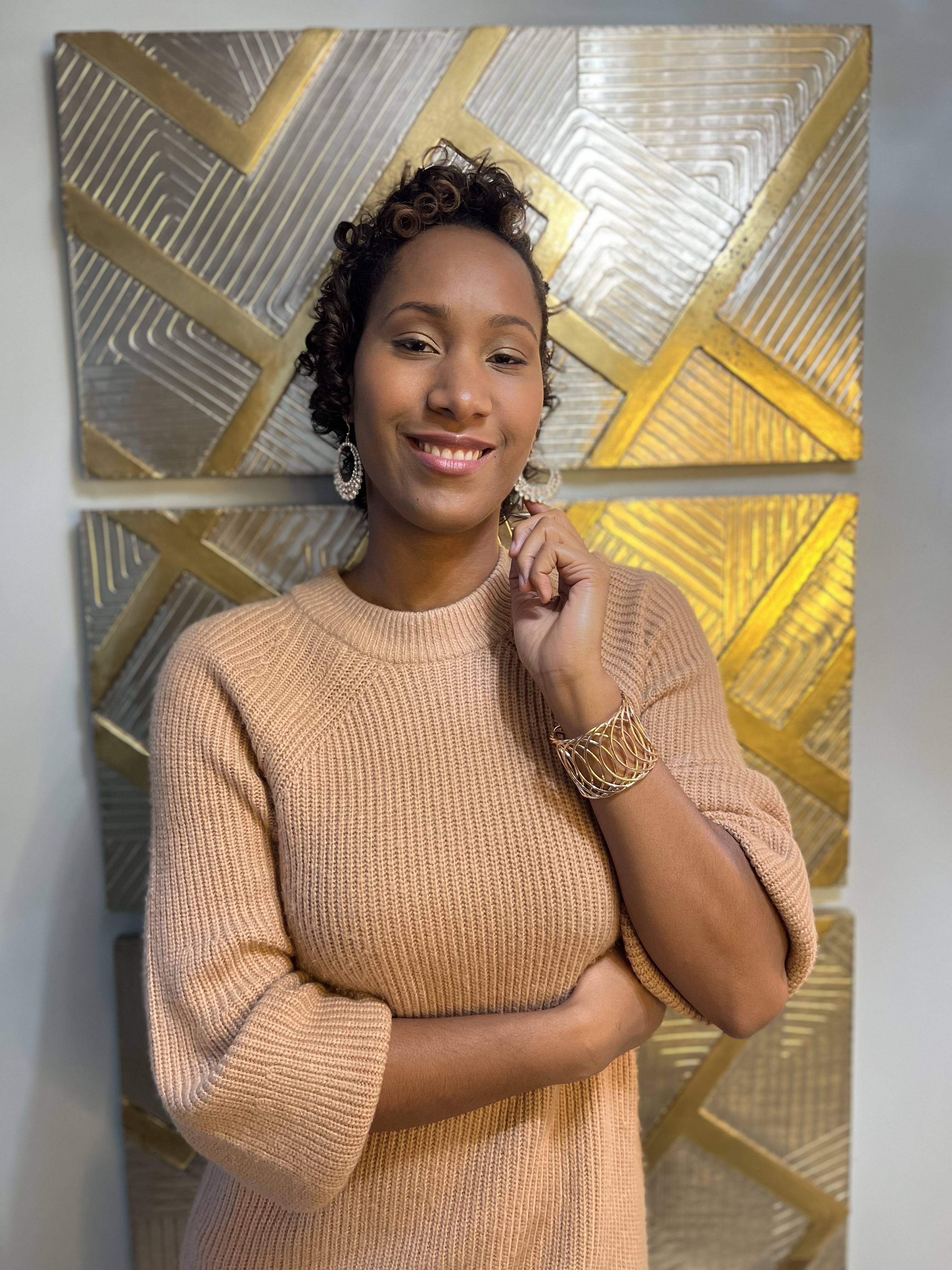
When we talk about the 'face' of a nonprofit, we are talking about our next guest. As the Executive Director of Creative Cornerstone, Queen Williams is not just leading staff-she is the lead advocate, fundraiser, and relationship builder connecting us to the community.

She brings experience in creative operations, nonprofit work, and community engagement. Queen leads program development and partnerships, ensuring the organization remains impactful while focused on youth empowerment.
Key Takeaways

  • 1. Access to creative arts can change the trajectory of young people’s lives. Providing underserved and at-risk youth with access to film, cinematography, production, editing, directing, acting, and music production can help them discover talents and possibilities they may otherwise never have the o
  • 2. Hands-on experience turns creative interest into real-world skills. Youth learn by working with professional studio equipment, producing short films and music, and participating directly in the creative process from concept to production.
  • 3. Community-based programs can create pathways where traditional opportunities may not exist. Creative Cornerstone demonstrates how community investment can connect young people with resources, mentorship, technology, and artistic opportunities that are often limited in underserved communities.
  • 4. Building a youth arts organization requires more than a creative vision. Sustainable impact also depends on funding, strong operations, committed board members, community events, strategic partnerships, and ongoing public awareness.
  • 5. Partnerships can expand what is possible for young people. Collaboration with local schools, community advocates, families, organizations, and other stakeholders can help build a stronger network of support around youth development and creative opportunity.

Frequently Asked Questions

1. How can creative arts programs help at-risk youth?

Creative arts programs can give young people a constructive environment to explore their talents, develop practical skills, build confidence, and discover educational or career pathways in areas such as film, acting, music, production, and directing.

2. What does Creative Cornerstone offer youth?

Creative Cornerstone provides opportunities for youth to explore film, cinematography, production, editing, directing, acting, music production, and studio technology through hands-on creative experiences.

3. Why is access to creative technology important for underserved communities?

Access to professional equipment, studio environments, mentorship, and hands-on production experiences can expose young people to possibilities that may otherwise be unavailable to them because of financial or geographic barriers.

4. What does it take to build a sustainable youth arts organization?

A sustainable organization requires more than programming. It involves funding, operational management, board development, community awareness, events, partnerships, and a strong network of people committed to the organization’s mission.

5. How can schools and community organizations support youth arts programs?

Schools, community organizations, advocates, families, and local partners can help by connecting young people to programs, sharing resources, developing collaborative initiatives, creating mentorship opportunities, and helping expand awareness of available creative pathways.

6. Why are partnerships important to Creative Cornerstone’s mission?

Partnerships allow Creative Cornerstone to extend its reach, strengthen its resources, connect with more youth, and build a broader community network dedicated to creative development and opportunity.